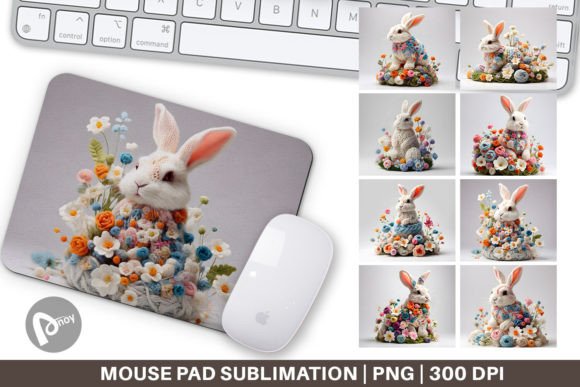
Mouse Pad Rose Embroidery: A Designer’s Review
As an embroidery designer who has spent countless weekends behind a craft fair table, I have learned that not every digital file translates into a best-selling handmade product. When I first encountered the Mouse Pad Rose Embroidery, my initial reaction was one of cautious curiosity. The title suggests a sublimation product, yet my eye immediately began dissecting it through the lens of thread, fabric, and hoop potential. For those of us in the business of Crafts and Graphics, understanding the visual language of a design is crucial before we commit to production.
This review is written from the perspective of a seasoned creator preparing for a high-traffic market day. I am evaluating this design not just as a static image, but as a tangible asset that needs to stop shoppers in their tracks. Whether you are an Etsy seller, a boutique maker, or a creative entrepreneur looking to expand your small shop product line, here is how this rose-centric aesthetic performs in the real world.
First Impressions: Elegance Meets Modern Utility
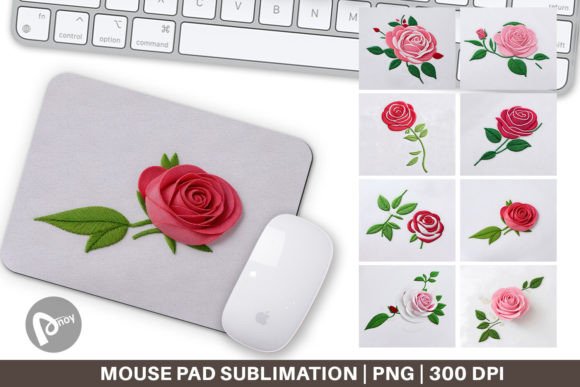
The immediate vibe of the Mouse Pad Rose Embroidery is elegant and soft. Roses are a timeless motif, but the presentation here feels modern rather than strictly traditional or rustic. It lacks the heavy, cluttered feel of vintage farmhouse styles, leaning instead toward a clean, decorative appeal. This is vital for a craft fair booth where visual clarity is key. Customers walking past your table have seconds to decide if your items resonate with them. A design that feels premium and intentional, like this rose graphic, signals quality.
While the source description highlights its use for gaming rooms and work desks via sublimation, my designer brain sees versatility. The floral element provides a natural bridge between tech-focused accessories and home decor. It is attractive enough to beautify a workspace but creative enough to serve as a focal point on textile goods. This duality makes it a strong candidate for cross-category selling.
Translating Digital Graphics to Textile Products
The true test of any digital embroidery file or graphic asset is its adaptability. While the original product is a sublimation mouse pad, let us explore how this aesthetic translates when applied to physical embroidery projects. If you are looking to create a cohesive craft fair product lineup, consider these applications:
- Tote Bag Design: A large-scale version of this rose motif works beautifully on canvas totes. The organic curves of the petals contrast nicely with the structured fabric, creating a tote bag design that feels both artistic and functional.
- Apron Embroidery: Placing the design on the bib of a linen apron adds a touch of sophistication. Apron embroidery sells well to customers looking for hostess gifts, and the rose theme aligns perfectly with kitchen aesthetics.
- Tea Towel Embroidery: For a more delicate approach, consider tea towel embroidery. Ensure the design is simplified to avoid excessive stitch density, which can cause puckering on thin cotton.
- Embroidered Patch: Isolating the rose head creates a stunning embroidered patch. Patches are low-commitment purchases for buyers, making them excellent impulse buys at markets.
- Pillow Covers and Pouches: The design serves as a central medallion for pillow covers or a subtle accent on small fabric pouches.
By expanding beyond the mouse pad concept, you transform a single design asset into a collection. This strategy increases your average order value and strengthens your brand consistency.
Production Practicalities and Technical Notes
Before you load this into your machine, there are critical technical factors to consider. Since the original description mentions a PNG file for sublimation, embroidery users must ensure they have the correct embroidery file format (such as PES, DST, or JEF) if they intend to stitch it out. If you are digitizing this from the graphic yourself, pay close attention to the following:
- Stitch Density and Underlay: Roses often require smooth satin stitches or dense fill stitches to capture the petal texture. On thick fabrics, high density can lead to stiffness. Use appropriate underlay to stabilize the design without adding bulk.
- Fabric Texture and Stabilizer: The success of the design depends heavily on the fabric texture. Smooth cottons and linens will showcase the details best. Avoid highly textured towels unless you simplify the design. Always use the right stabilizer; cut-away stabilizer is recommended for stretchy fabrics like tote bags, while tear-away may suffice for stable wovens.
- Thread Colors: The visual appeal relies on gradient and contrast. Choose thread colors that mimic the natural shading of a rose. Variegated threads can add depth but may obscure fine details if the design is small.
- Hoop Size: Confirm your hoop size capabilities. A large, detailed rose may require a 5x7 or 6x10 hoop to maintain clarity. Shrinking a complex design into a 4x4 hoop can result in lost details and thread breaks.
It is essential to test the design on scrap fabric identical to your final product. Check for registration issues, especially if the design includes multiple color stops. A failed sample costs less than a ruined finished product.
Maximizing Sales and Visual Appeal
In a crowded marketplace, presentation is everything. The Mouse Pad Rose Embroidery aesthetic lends itself to high-quality photography. When creating your printable mockup or taking photos for your Etsy seller profile, ensure the lighting highlights the sheen of the thread. Natural light works best for showcasing the dimensionality of embroidery.
Consider how this design affects buyer engagement. Floral motifs evoke feelings of comfort and beauty. By placing this design on everyday items like mouse pads, aprons, or totes, you elevate the mundane into something special. This perceived value allows for higher pricing points. Customers are not just buying a mouse pad or a bag; they are buying a piece of art that enhances their daily routine.
For booth displays, group items by color story. If the rose design features soft pinks and greens, surround it with complementary textiles. This creates a visually harmonious section that draws the eye. Consistency in your commercial embroidery offerings builds trust. When customers see that you apply the same high-quality design standards across different products, they are more likely to purchase multiple items.
Final Verdict for Craft Entrepreneurs
The Mouse Pad Rose Embroidery concept is a versatile winner if handled with technical precision. It bridges the gap between digital Graphics and tactile Crafts. For the embroidery business owner, it offers a chance to diversify beyond standard monograms. For the sublimation printer, it provides a stylish, productivity-focused product.
Remember to verify all licensing terms before selling. Ensure you have commercial rights for the specific file format you are using. Whether you are stitching it onto a cap or printing it onto a desk mat, the goal is the same: create a finished product that delights the customer. Test your samples, refine your thread choices, and present your work with confidence. This design has the potential to be a staple in your spring and summer collections, offering a blend of elegance and utility that modern consumers crave.
By treating this design as a core element of your brand rather than a one-off experiment, you can build a cohesive line of handmade product offerings that stand out in any market. Keep your production efficient, your quality high, and your display inviting, and this rose motif will help your business bloom.