Retro Boho Daisy Design Review for Merch
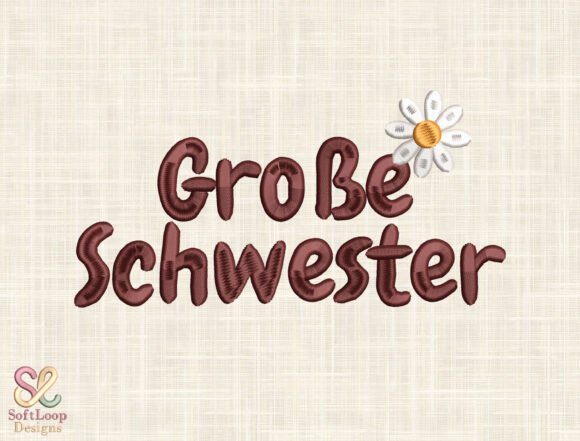
As an embroidery designer who has spent years digitizing files and consulting with small business owners, I approach every new machine embroidery design with a critical eye. It is not just about whether a motif looks cute on a screen; it is about how that design translates to fabric, withstands wear and tear, and ultimately serves the brand identity of the client. Recently, I had the opportunity to review the Retro Boho Daisy Embroidery Design. While the product metadata initially references a "Große Schwester Big Sister" theme with playful bubble fonts, my focus here is strictly on the visual potential of the retro boho daisy aesthetic for commercial applications. For boutique owners, Etsy sellers, and apparel decorators, understanding the nuance between a decorative file and a viable business asset is crucial.
First Impressions: Visual Personality and Brand Fit
The immediate impression of the Retro Boho Daisy Embroidery Design is one of warmth and approachability. In the current market, there is a significant shift away from sterile, corporate minimalism toward designs that feel handmade, organic, and nostalgic. This design captures that essence perfectly. The retro influence suggests a connection to the 1970s aesthetic, which remains incredibly popular in home decor and lifestyle branding. For businesses in the House Home Quotes category or those selling lifestyle goods, this design signals comfort and creativity.
From a professional standpoint, the design feels friendly rather than aggressive. It is not overly bold or industrial, which makes it ideal for brands that want to project a sense of community and care. Whether you are running a local bakery, a florist shop, or a creative studio, this visual language aligns well with values of sustainability and artisanal quality. However, "playful" does not mean "amateur." The key to leveraging this design lies in its execution. A well-digitized retro floral can elevate a simple tote bag into a premium handmade product, whereas poor stitch density can make it look cluttered and cheap.
Real-World Applications for Small Business Merch
When evaluating a digital embroidery file for commercial use, I always map out specific use cases. The Retro Boho Daisy Embroidery Design is versatile, but it shines brightest in specific contexts. Here is how I envision this design performing in a real business scenario:
- Embroidered Patches: This is perhaps the strongest application. A daisy motif works exceptionally well as an iron-on or sew-on patch. Patches allow customers to customize their own gear, increasing engagement. Ensure the border is satin-stitched cleanly to prevent fraying.
- Apron Embroidery: For cafes and bakeries, staff uniforms are walking billboards. Placing this design on the chest pocket or the lower corner of an apron adds a touch of personality without overwhelming the uniform. It reinforces the brand’s artisanal vibe.
- Tote Bag Design: Canvas totes are staples for boutique merchandise. The organic shape of a daisy complements the natural texture of canvas. A larger hoop size allows for a more detailed rendition, making the bag feel like a statement piece rather than just promotional swag.
- Cap Embroidery: Front-panel caps require careful consideration. The design must be simplified to fit the curved surface. If the original file is too wide, it may distort. I recommend testing a scaled-down version on the side panel or using it as a small accent near the brim.
- Product Packaging Accents: Imagine this design embroidered on a small fabric tag attached to your packaging. It adds a tactile element to the unboxing experience, enhancing perceived value.
For custom apparel lines, this design can serve as a sleeve detail or a back-yoke accent. It is subtle enough to be worn daily yet distinct enough to be recognized as part of your brand’s visual family. When used in commercial embroidery projects, consistency is key. Using this design across various touchpoints—from staff shirts to customer gifts—creates a cohesive brand narrative.
Technical Considerations and Production Challenges
While the aesthetic appeal is high, the technical execution determines the success of the finished product. As a designer, I have several concerns that must be addressed before running this file on production machines. First, consider the stitch density. Retro styles often feature filled areas. If the density is too high, the fabric may pucker, especially on lighter materials like cotton tees or linen aprons. Conversely, if the density is too low, the backing fabric may show through, ruining the clean look.
Another critical factor is fabric texture. This design likely performs best on stable, medium-weight fabrics. On textured towels or loose-knit sweaters, fine details may get lost. I strongly advise testing the design on the exact material you intend to sell. Additionally, the choice of thread colors will make or break the retro vibe. Earthy tones, mustard yellows, and muted oranges typically work better than neon or primary colors for this specific aesthetic.
Be cautious with small patch sizes. If you shrink the design too much, the intricate petals and centers may merge, creating a blob of thread rather than a recognizable flower. Always check the minimum recommended size provided with the embroidery file. Furthermore, when embroidering on dark uniforms, ensure you have a proper underlay to prevent the garment color from bleeding through the lighter threads of the daisy.
Enhancing Brand Identity and Customer Trust
Why invest in a specific design like the Retro Boho Daisy Embroidery Design? Because it contributes directly to brand identity. In a saturated market, visual consistency builds trust. When a customer sees the same high-quality embroidery on your website, your packaging, and your physical store, they perceive your business as professional and established. This design, with its nostalgic and welcoming feel, helps humanize your brand. It suggests that there is a person behind the business who cares about details.
Moreover, high-quality embroidery increases the perceived value of your small business merch. A plain t-shirt might sell for $20, but the same shirt with a well-executed, trendy embroidery design can command $35 or more. Customers are willing to pay for uniqueness and craftsmanship. By integrating this design into your design assets, you are not just decorating a product; you are creating an emotional connection with your buyer.
Practical Designer Notes for Implementation
Before you purchase and produce, follow these steps to ensure success:
- Test in Black and White: Before committing to colorful threads, stitch out the design in black thread on white fabric. This reveals any digitizing errors, gaps, or overlapping stitches that color might hide.
- Verify Hoop Size: Confirm that the design fits your available hoops. If you only have a 4x4 hoop, ensure the design isn’t digitized for a 5x7 or larger area, or you will need to resize it, which can affect stitch quality.
- Use Proper Stabilizer: Match your stabilizer to your fabric. Cut-away stabilizer is generally safer for garments that will be washed frequently, ensuring the design remains flat and intact.
- Create a Printable Mockup: Use digital tools to place the design on photos of your actual products. This helps you visualize scale and placement before wasting thread and fabric.
- Check Commercial Licensing: Always read the license terms associated with the digital embroidery file. Ensure you have the right to use it for physical goods sold for profit. Some designers require an extended license for high-volume production.
- Compare Beside Other Assets: Place this design next to your logo and other graphics. Does it complement them? Does it clash? Visual harmony is essential for a professional presentation.
In conclusion, the Retro Boho Daisy Embroidery Design offers significant potential for small businesses looking to add warmth and character to their merchandise. By paying attention to technical details like stitch density and fabric choice, and by strategically placing the design on high-visibility items like patches and aprons, you can transform a simple digital file into a powerful tool for brand building. Always prioritize quality control and test thoroughly to ensure your embroidered patch or apparel item meets the high standards your customers expect.