Review: Cookie Regular Embroidery Font - Medium
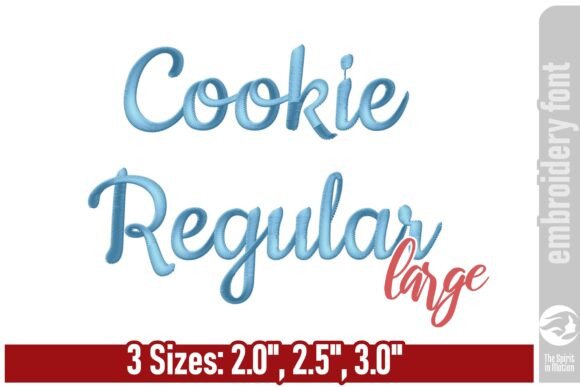
As a designer who spends more time staring at stitch simulations than actual fabric, I have developed a keen eye for what translates well from screen to needle. When I first loaded the Cookie Regular Embroidery Font - Medium into my software, my initial reaction was one of cautious optimism. Script fonts are notoriously tricky in machine embroidery; they often suffer from poor connectivity, excessive density, or illegibility at smaller sizes. However, this particular font promises a sleek, modern flair with a flowing script design that aims to add elegance and charm to various projects. After putting it through its paces on several test runs, I am ready to share my practical insights on how this Embroidery asset performs in real-world scenarios.
First Impressions and Visual Personality
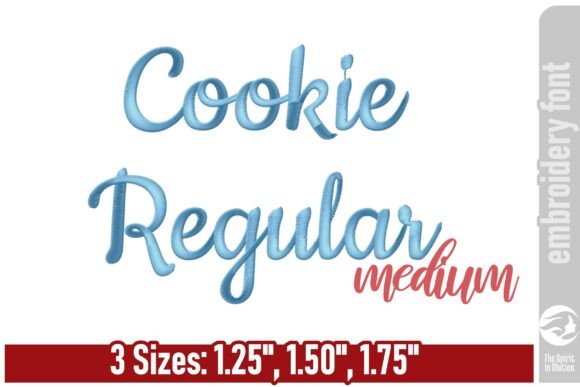
The visual personality of Cookie Regular Embroidery Font - Medium strikes a balance between casual warmth and refined sophistication. It does not scream for attention with overly ornate flourishes, nor does it feel sterile and corporate. Instead, it offers a gentle flow that feels approachable yet professional. For those of us creating design assets for clients, this versatility is crucial. The medium weight suggests it is robust enough to hold its shape without becoming a dense block of thread, which is a common pitfall in heavier script fonts.
In terms of mood, this font evokes a sense of handmade care. It fits naturally into the aesthetic of boutique branding, where the goal is to make the customer feel like they are receiving something special rather than mass-produced. Whether you are designing for a high-end baby boutique or a cozy home décor shop, the flowing lines of this script provide that essential human touch that buyers crave in a handmade product.
Real-World Application: The Tote Bag Test
To truly evaluate a machine embroidery design, you must take it out of the digital realm. I recently used Cookie Regular Embroidery Font - Medium for a custom order involving canvas tote bags. The client wanted their small bakery’s name embroidered in a way that felt artisanal but clean. This font was the perfect candidate. I sized the text to span approximately six inches across the center of the bag.
The stitching process revealed the font’s strengths. The connections between letters were smooth, requiring minimal jump stitches that could otherwise clutter the design. On the sturdy canvas fabric, the medium weight of the font stood out clearly without sinking into the weave. The result was a crisp, legible logo that elevated the perceived value of the tote. Customers at the local craft fair immediately commented on the "professional look" of the embroidery, proving that the right font choice directly impacts buyer engagement and trust.
Versatility Across Product Lines
Beyond tote bags, I see significant potential for Cookie Regular Embroidery Font - Medium in custom apparel. Imagine this script on the cuff of a sweatshirt or across the chest of a fitted tee. Because it is a script, it lends itself beautifully to personalization. For Etsy sellers and small shop product creators, this means you can offer personalized names or short phrases that look elegant rather than childish. It works exceptionally well for baby embroidery projects, such as bibs or blanket borders, where a soft, flowing aesthetic is preferred over bold, blocky letters.
Furthermore, this font is an excellent choice for holiday embroidery gifts. Whether it is a monogram on a linen napkin for a wedding gift or a festive phrase on a pillow cover, the elegance of the script adds a layer of sophistication. It also performs well in commercial embroidery contexts where brand consistency is key. If your brand identity relies on approachable luxury, this font serves as a reliable typographic voice across various mediums, from aprons to caps.
Technical Considerations and Fabric Choices
While Cookie Regular Embroidery Font - Medium is versatile, it is not without its technical demands. As with any script, the devil is in the details. I advise testing the design on scrap fabric first, especially when working with challenging materials. On textured fabrics, such as terry cloth or heavy knits, the finer details of the script might get lost if the stitch density is not optimized. In these cases, using a proper stabilizer is non-negotiable. A cut-away stabilizer often provides the necessary support to keep the letters from distorting during washing.
When working with stretchy fabrics, such as those used in sweatshirt embroidery or athletic wear, be mindful of pull compensation. Script fonts can sometimes appear thinner than intended if the fabric stretches during stitching. I recommend running a test piece to check whether the design needs slight adjustments in width or density. Additionally, on dark fabrics, ensure you choose thread colors that provide sufficient contrast. A low-contrast combination can make the flowing lines blend together, reducing legibility.
Curved surfaces, like caps, present another challenge. The medium size of this font is generally safe for cap fronts, but avoid scaling it down too much. Tiny lettering in script formats can become a tangled mess of satin stitch and fill stitch elements if the hoop size is too small or the resolution is insufficient. Always inspect small details closely in your software before hitting the start button on your machine.
Enhancing Product Value and Brand Perception
From a business perspective, the choice of typography in your embroidery project speaks volumes about your brand. Using a well-designed font like Cookie Regular Embroidery Font - Medium signals professionalism. It shows that you care about the aesthetics of your finished product. This attention to detail builds customer trust and encourages repeat business. When a customer receives a personalized gift that looks polished and high-quality, they are more likely to leave positive reviews and recommend your craft business to others.
Moreover, this font enhances the giftability of your items. A simple towel becomes a cherished keepsake when adorned with elegant script. A plain tote bag transforms into a stylish accessory. By integrating this font into your digital embroidery file library, you expand your ability to create premium-priced items that stand out in a crowded market.
Practical Designer Notes for Best Results
To get the most out of Cookie Regular Embroidery Font - Medium, keep these practical tips in mind:
- Test on Scrap Fabric: Always run a test stitch-out on the same type of fabric you plan to use for the final product. This helps you identify any issues with tension or density.
- Check Thread Contrast: Ensure your thread color contrasts well with the fabric, especially for intricate script designs where clarity is key.
- Review Stitch Density: If the design feels too stiff or heavy, consider adjusting the density settings in your embroidery software, provided you have the appropriate editing capabilities.
- Confirm Hoop Size: Make sure your hoop size accommodates the full length of the text you intend to stitch, especially for longer words or phrases.
- Inspect Small Details: Zoom in on your design preview to check for any potential stitching errors or overly complex areas that might cause thread breaks.
- Use Proper Stabilizer: Match your stabilizer to your fabric type. Cut-away for knits, tear-away for wovens, and wash-away for delicate or sheer fabrics.
- Verify Licensing: Before selling finished items or printable mockup previews, confirm the licensing terms of the Embroidery Fonts to ensure you are compliant for commercial use.
In conclusion, Cookie Regular Embroidery Font - Medium is a valuable addition to any designer’s toolkit. It offers a blend of elegance and practicality that suits a wide range of applications, from embroidered patch creations to high-end home décor. By understanding its strengths and respecting its technical requirements, you can leverage this font to create stunning, professional-quality embroidery that delights customers and elevates your brand.