Sacramento Monoline Embroidery Font Review
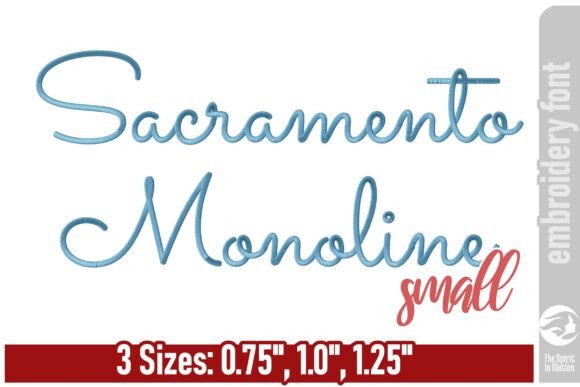
As an embroidery designer who has spent years digitizing logos and selecting typefaces for client merchandise, I know that the right font can make or break a brand’s visual identity. When I first loaded the Sacramento Monoline Embroidery Font into my software, my immediate impression was one of effortless retro elegance. This is not just another script; it is a carefully crafted tool for small business owners looking to elevate their branded goods. The smooth, semi-connected cursive style offers a unique balance between readability and decorative flair, making it a standout choice among modern Embroidery Fonts.
First Impressions: A Blend of Retro Charm and Professionalism
The aesthetic of the Sacramento Script is distinct. It feels friendly yet premium, playful but polished. For boutique owners, bakery operators, or creative studios, this font communicates a sense of handmade care without sacrificing professionalism. Unlike heavy block letters that can feel industrial, or overly complex scripts that become illegible at small sizes, this monoline design maintains clarity. The single-weight stroke gives it a clean, modern look that translates beautifully into thread. It avoids the bulkiness often associated with satin-stitch scripts, allowing for a more refined appearance on delicate fabrics.
When evaluating this design for commercial use, I look for versatility. Does it work on a dark navy uniform? Does it pop on a natural cotton tote? The monoline structure of the Sacramento Monoline Embroidery Font suggests high adaptability. It does not rely on extreme contrast or thick fills, which means it can sit comfortably on various background colors without losing its shape. This is crucial for businesses that need consistent branding across different product lines, from aprons to packaging accents.
Real-World Applications for Small Business Merchandise
The true test of any machine embroidery design is how it performs in the real world. I envision this font being a powerhouse for specific small business applications where personality matters as much as utility.
- Cafés and Bakeries: Imagine this script embroidered on the chest of staff aprons. The flowing nature of the font adds a touch of artisanal warmth, reinforcing the idea that every coffee or pastry is crafted with care. It works exceptionally well for cafe names or short slogans like "Fresh Daily."
- Boutique Retail and Etsy Brands: For handmade product labels, this font can be scaled down for a subtle tag on clothing or accessories. It adds a layer of perceived value, turning a simple item into a branded experience. It is ideal for tote bag designs where a minimalist yet stylish logo is required.
- Florists and Pet Brands: These industries thrive on softness and approachability. The semi-connected cursive style mirrors the organic lines of flowers or the playful energy of pets. Using this font on gift wrap tags or employee polos creates a cohesive and inviting brand image.
- Custom Apparel and Caps: For cap embroidery, the monoline weight is advantageous. It prevents the "puckering" effect that heavier fonts can cause on curved surfaces. A small, centered logo on a dad hat using this font looks contemporary and chic.
Technical Considerations for Embroidery Production
While the visual appeal is strong, practical execution requires attention to detail. As a designer, I always advise checking the technical specifications before running a production batch. Since the product description highlights a "smooth, semi-connected cursive style," we must consider how these connections translate to thread.
Stitch Density and Fabric Texture: Monoline fonts generally have lower stitch density compared to filled logos. This is beneficial for textured fabrics like terry cloth towels or coarse canvas totes, as the needle penetrations are fewer, reducing fabric distortion. However, on very loose-weave fabrics, you must use an appropriate stabilizer to prevent the stitches from sinking in or shifting. Always test on a scrap piece of your actual material first.
Size and Legibility: One common mistake with script fonts is scaling them too small. While the Sacramento design is clean, the semi-connected elements require a minimum size to remain legible. If you are creating an embroidered patch for a sleeve detail, ensure the height is sufficient so the loops and tails do not merge into a blob. I recommend creating a printable mockup at 100% scale to verify readability before digitizing or purchasing the final file.
Thread Color Contrast: Because this is a monoline design, contrast is key. On dark uniforms, use a bright or metallic thread to make the script pop. On light garments, a deep navy or charcoal can provide sophisticated definition. Avoid low-contrast combinations, such as light gray on white, as the thin lines may disappear from a distance.
Enhancing Brand Identity and Customer Trust
Consistency builds trust. When a customer sees the same elegant script on your website, your packaging, and your physical merchandise, it reinforces brand recognition. The Sacramento Monoline Embroidery Font serves as a versatile asset in your design toolkit. It bridges the gap between digital branding and physical products. By using a high-quality digital embroidery file that retains the integrity of the original typeface, you ensure that your finished product looks professional, not amateurish.
For small business owners, investing in quality design assets pays dividends. A well-executed embroidered logo on a high-quality tote bag becomes a walking advertisement. The retro elegance of this font appeals to current design trends, suggesting that your brand is both timeless and current. This perception of quality can justify higher price points for your merchandise and increase customer engagement.
Practical Designer Notes for Best Results
Before you commit to a large run of custom apparel or patches, follow these steps to ensure success with the Sacramento Script:
- Test in Black and White: Remove color from your design view to check for structural integrity. If the letters are distinguishable in grayscale, they will work in any thread color.
- Verify Hoop Size Compatibility: Ensure the design fits within your machine’s hoop size without excessive resizing that might distort the aspect ratio. Check the specific dimensions provided with the file.
- Check Commercial Licensing: Always confirm the license terms included with the embroidery file. Ensure you have the rights to use the design for commercial purposes, especially if you are selling the finished embroidered items.
- Create Client Mockups: If you are designing for a client, place the font on realistic images of aprons, caps, or bags. This helps them visualize the final product and approve the placement.
- Inspect Spacing and Connections: Look closely at the semi-connected areas. In some cases, you may need to add small tie-ins or adjust underlay stitches depending on your specific machine and thread type to prevent unraveling over time.
In conclusion, the Sacramento Monoline Embroidery Font is a valuable addition to any designer’s library. It offers the perfect blend of style and function for small business merchandise. Whether you are outfitting a local café, launching a new Etsy line, or creating branded gifts, this font provides the retro elegance and professional finish that today’s consumers appreciate. By paying attention to fabric choice, stabilizer use, and sizing, you can leverage this design to create stunning, high-value embroidered products that strengthen your brand identity.