Stitch Pattern: A Designer’s Review for Embroidery Projects
As an embroidery designer who spends countless hours digitizing and testing designs for real-world application, I am always on the lookout for assets that bridge the gap between digital aesthetics and tactile craftsmanship. Recently, I explored Stitch Pattern, a unique offering from Creative Fabrica that caught my eye not for its traditional embroidery file structure, but for its distinct visual personality. While categorized under Display and Fonts, this product offers a creative twist that can significantly enhance the presentation of your handmade business.
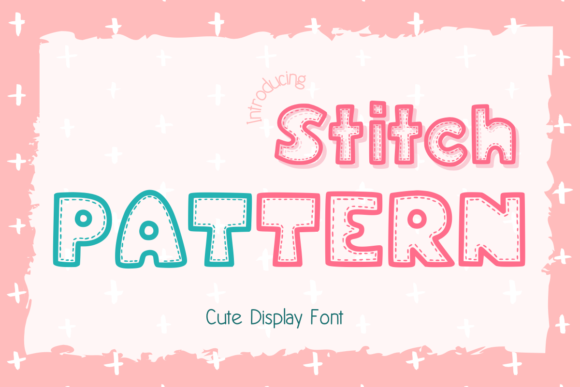
Stitch Pattern is described as a cute display font featuring transparent letters with a pattern similar to a sewing pattern. At first glance, it might seem like a tool strictly for graphic designers creating Valentine’s cards, Mother’s Day cards, or wedding invitations. However, for those of us in the embroidery niche, the utility extends far beyond simple paper crafts. The visual mimicry of stitching within the font itself provides a cohesive branding element that resonates deeply with customers looking for authentic, handmade quality.
First Impressions and Visual Mood
The immediate appeal of Stitch Pattern lies in its meta-design. It looks like embroidery before it even hits the fabric. The transparent letters allow the background to show through, while the bordering "stitches" create a frame that feels familiar to anyone who loves needlework. This creates a warm, inviting mood that is perfect for boutique merchandise and personalized gifts. Unlike standard bold fonts that can feel heavy or industrial, this display font carries a lightness and whimsy that fits naturally into the world of soft goods and home decor.
For embroidery designers, this visual cue is powerful. When you use Stitch Pattern in your product photography, mockups, or packaging, it signals to the buyer that the item they are viewing is crafted with care. It reinforces the narrative of the handmade product, creating a seamless transition from the digital storefront to the physical embroidered patch, tote bag, or sweatshirt.
Practical Applications for Embroidery Businesses
While Stitch Pattern is a font and not a direct machine embroidery design, its role in a successful embroidery business is critical. Here is how I envision integrating it into various project types:
- Product Mockups and Listings: Use the font to create professional-looking printable mockups for your Etsy listings. Overlaying Stitch Pattern on images of your finished products helps potential buyers visualize the final result, especially for custom apparel and nursery decor.
- Packaging and Branding: Incorporate the font into your thank-you cards, hang tags, and labels. This consistency builds brand trust and makes your commercial embroidery products feel more premium.
- Digital Design Assets: If you sell digital embroidery files, use Stitch Pattern to label your previews. The sewing-pattern aesthetic aligns perfectly with the technical nature of applique design and satin stitch previews.
- Seasonal Campaigns: The description highlights its suitability for Valentine’s and Mother’s Day. Use it to design social media graphics promoting your seasonal handmade gifts, such as embroidered kitchen towels or pillow covers.
Navigating Real-World Embroidery Constraints
It is important to clarify that Stitch Pattern is a visual asset, not a digitized embroidery file. Therefore, you cannot directly load it into your embroidery machine as a .pes or .dst file. However, understanding this distinction is vital for managing customer expectations and project planning. If you are looking to create actual stitched text that mimics this look, you would need to digitize a similar style or find a complementary machine embroidery design that features running stitch or satin stitch borders.
When planning real embroidery projects inspired by the aesthetic of Stitch Pattern, consider the following practical notes:
- Stitch Density and Fabric Choice: If you digitize a similar look, be mindful of stitch density. Dense fill stitches can cause puckering on stretchy fabrics like sweatshirt material. Always use a proper stabilizer, such as cut-away for knits or tear-away for woven cottons like tote bags.
- Hoop Size Limitations: Intricate details similar to the fine lines in Stitch Pattern may require smaller hoop sizes to maintain precision. Ensure your design fits within your machine’s maximum hoop size, especially for larger items like aprons or blanket corners.
- Thread Color Contrast: The charm of the original font relies on contrast. When stitching similar designs on dark fabric, use high-contrast thread colors to ensure the "stitch" effect is visible. Test on scrap fabric first to verify visibility.
- Curved Surfaces: For caps and curved patches, keep the design small and centered. Complex outlines can distort on curved surfaces if not properly stabilized and hooped.
Enhancing Product Value and Buyer Trust
In the competitive market of handmade shops, presentation is everything. Using cohesive design assets like Stitch Pattern elevates the perceived value of your work. When a customer sees a listing where the typography matches the craft, it subconsciously reinforces the quality of the embroidered item. This attention to detail can lead to higher conversion rates and increased customer engagement.
Furthermore, consistent branding helps in building a loyal customer base. Whether you are selling baby items, custom apparel, or home decor, a unified visual language makes your shop memorable. Stitch Pattern serves as an excellent tool for maintaining this consistency across your digital presence, from your website banner to your Instagram stories.
Final Verdict and Licensing Considerations
Is Stitch Pattern worth downloading? For embroidery designers and small business owners who value strong branding and aesthetic cohesion, the answer is yes. It is a versatile tool for creating professional marketing materials and enhancing the visual appeal of your product listings. It is not a replacement for digitized embroidery files, but rather a complementary asset that supports your business infrastructure.
Before using Stitch Pattern for commercial purposes, such as on printed packaging or digital ads for your finished products, always review the specific license terms on the Creative Fabrica product page. Licensing for fonts can vary, and it is crucial to confirm whether commercial use is permitted for your specific intended application. Additionally, since this is a font and not a stitch file, remember that you will need separate embroidery files for the actual stitching process.
In summary, Stitch Pattern is a charming addition to your design toolkit. It captures the essence of the craft in a digital format, helping you communicate the warmth and quality of your handmade products effectively. By integrating it thoughtfully into your branding and marketing, you can create a more compelling and trustworthy presence in the crowded marketplace of creative entrepreneurs.